
The Hidden Business of Big Companies: How to Make Money Before Selling
Many companies use the subscription or customer loyalty model to finance their operations without financial cost. Let’s look at some examples.

Have you ever wondered how your favorite coffee shop gives you a free coffee or why an airline offers flights almost for free? We often assume it’s just marketing to bring you back. But what if I told you that behind those “points” and “miles” lies one of the most intelligent and profitable business models in the world?
Welcome to the world of membership programs. They’re not just loyalty tools—they’re cash machines that generate money upfront, provide valuable customer data, and in many cases, are the real financial engine of the company.
The Starbucks Case: More Than Coffee, a Bank
Starbucks has mastered this strategy. Its Starbucks Rewards program encourages customers to load money onto its mobile app in exchange for “stars” they can redeem for products. Simple? Maybe. But financially? Huge. At any given time, Starbucks holds over $1.5 billion in customer money that hasn’t yet been spent.
This is essentially a zero-interest loan from customers. Starbucks can use this float to open new stores, invest in tech, or cover operations—without borrowing a cent from banks. On top of that, it’s estimated that 10% of the balance is never redeemed (“breakage”), turning directly into pure profit.
Starbucks holds over $1.5 billion in customer money that hasn’t yet been spent.

Airlines: The Business Isn’t Flying—It’s Selling Miles
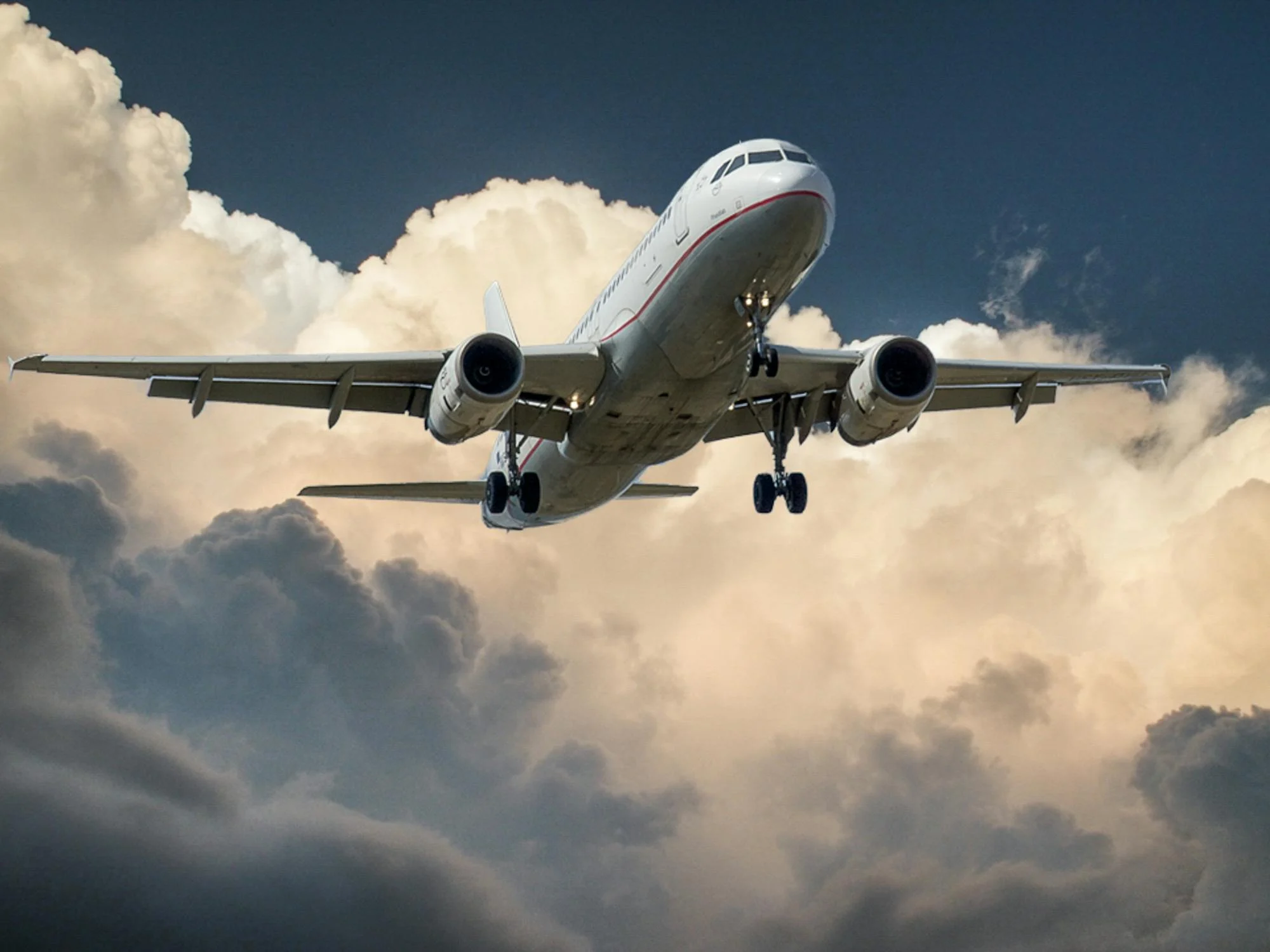
The airline case is even more extreme. For many carriers, their loyalty program is more valuable than the flying business itself. During the pandemic, when planes were grounded, these programs were used as collateral for massive loans, helping airlines survive.
How does this highly profitable model work?
- Selling miles to third parties: Revenue comes from selling miles to banks, hotels, rental companies, and retailers. For example, American Express or Chase buys millions of miles from airlines (e.g., at $0.015/mile) and gives them to customers as credit card rewards.
- Huge profit margins: Airlines get real cash for virtually free miles. The actual cost only arises when someone redeems them—and usually for unsold seats, making the system highly efficient.
- The real value driver: In 2020, Delta’s SkyMiles was valued at $26 billion, while the airline’s total market cap was just $10 billion. The loyalty program was worth more than the airline itself. (We recommend this video for more context)
| Financial Metric | Airline (Flight Ops) | Loyalty Program (Miles Sales) |
|---|---|---|
| Profit Margin | Low and volatile | Very high and stable |
| Cash Flow | Seasonal, crisis-sensitive | Predictable, long-term contracts |
| Revenue Source | Ticket sales | Miles sold to third parties |
| Valuation (Delta 2020) | ~$10B | ~$26B |
For many airlines, the loyalty program is more valuable than their core business of flying planes.
The Hidden Advantage: Data
Beyond cash, these programs are data goldmines. Every time you use your Starbucks app or frequent flyer card, the company knows what, when, where, and how often you buy. This enables hyper-targeted marketing, demand prediction, and product optimization.
Can My Small Business Play Too?
Absolutely. You don’t need to be an airline. The principle is the same: offer exclusive value in exchange for upfront commitment.
- Local Bookstore: €25/year “Reader’s Club” with discounts and monthly book picks.
- Auto Repair Shop: €50/year subscription covering two oil changes and pre-inspection check.
- Marketing Consultancy: Prepaid discounted hours—boosting cash flow and future workload.
The principle is universal: turn one-off sales into long-term relationships.
Conclusion: A Strategic Asset Within Reach
Membership programs are more than just marketing—they’re strategic assets. They bring in cash before the sale, strengthen financial standing, and build loyal communities. The key isn’t to copy the giants, but to understand the logic and adapt it creatively to your business’s scale.